


How to Close the Wealth Gap in Canada this Women’s History Month
Table of Contents
By 2028, Canadian women are expected to control close to $4 trillion in assets1, marking a significant shift in financial influence and economic power. Yet a meaningful wealth gap remains.
Key Takeaways:
- Women are likely to achieve financial independence and generate passive income in Canada through thoughtful retirement and financial planning, including alternative investments like private real estate.
- Understanding structural barriers, such as Canada’s gender pay and wealth gaps can help inform financial decision‑making for female investors.
- Strategic wealth planning strategies for women in Canada may help protect assets, support wealth protection, and foster building generational wealth for long-term financial security.
As we recognize Women’s History Month, it’s an opportunity to better understand these challenges and explore strategies that support long-term wealth creation.
Understanding the Wealth Gap in Canada
Gender Pay Gap in Canada and Its Long-Term Effects
One of the most widely discussed contributors to the wealth gap in Canada is the gender pay gap. According to Statistics Canada, women earn on average about 87 cents for every dollar earned by men.2 While this gap has gradually narrowed over time, it still has a lasting long-term impact on wealth accumulation.
Even small differences in income can compound over time. Lower earnings often mean less disposable income available to contribute to retirement accounts, savings, or investment portfolios. Over a 30- or 40-year career, the difference in earnings can translate into substantial amounts in lost investment potential.
When these earnings gaps are combined with differences in investment participation, the long-term effect on wealth accumulation becomes even more pronounced.
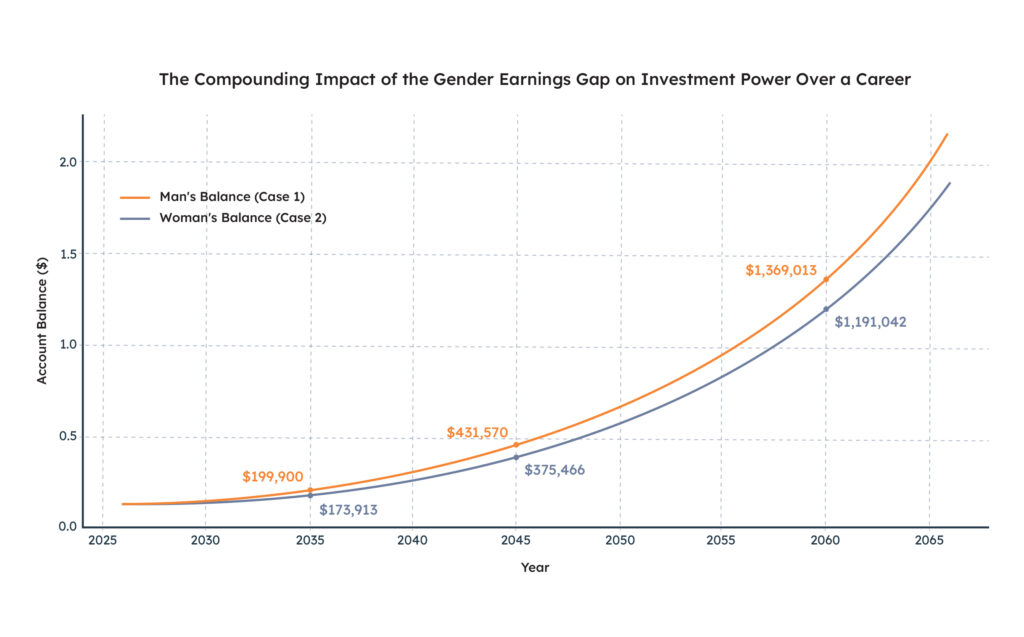
Disclaimer: This chart is provided for illustrative purposes only and does not represent actual investment performance. The balances shown are hypothetical and assume a constant average annual rate of return of 8% with no additional contributions or withdrawals. Individual results will vary based on actual investment choices, market conditions, fees, and other factors. This illustration is intended to demonstrate the potential long-term impact of the gender earnings gap on investment accumulation and should not be considered financial advice.
Why Women Face Unique Retirement and Financial Planning Challenges
Beyond income differences, women often face several structural challenges that affect retirement planning and financial security.
Longer Life Expectancy
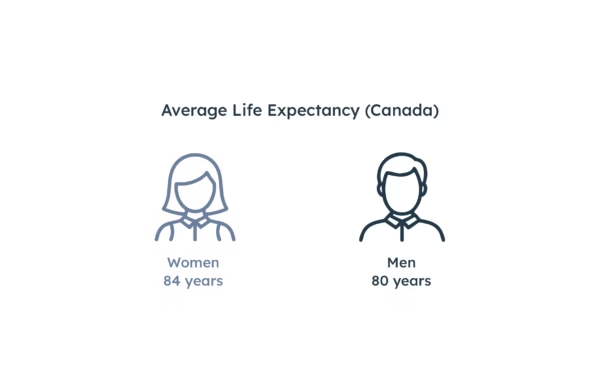
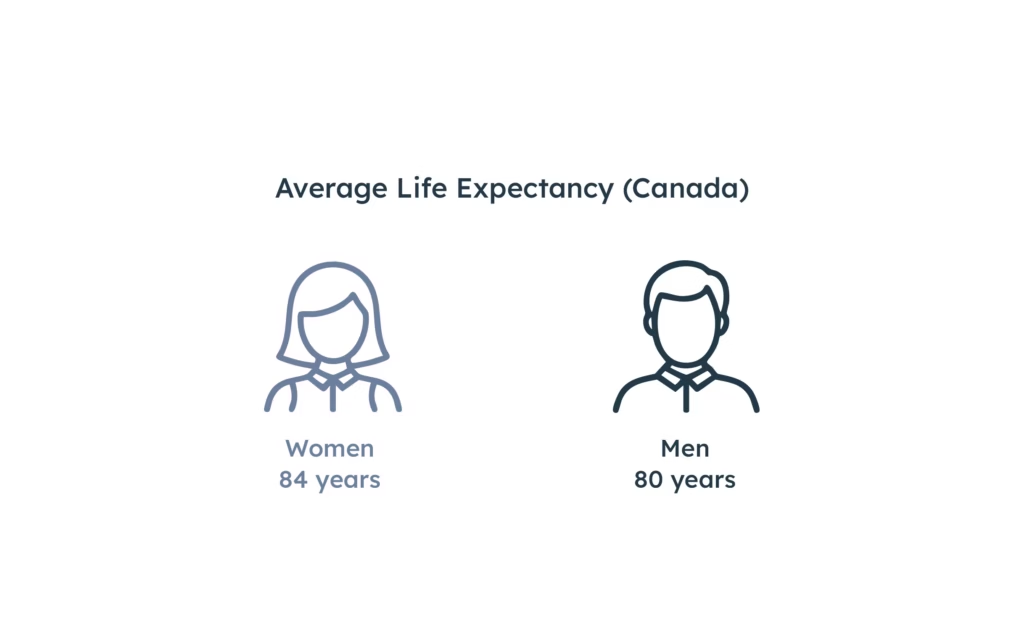
Women in Canada typically live longer than men. According to Statistics Canada, women’s life expectancy is approximately 84 years, compared with about 80 years for men.3
While longevity is a positive outcome, it also means women may need their retirement savings to last longer. A longer retirement horizon may require careful financial planning and investments that can generate income and maintain purchasing power over time.
Without sufficient wealth-building strategies in place, there is a possibility that retirement savings may not last throughout later stages of life.
Interrupted Careers and Caregiving Responsibilities
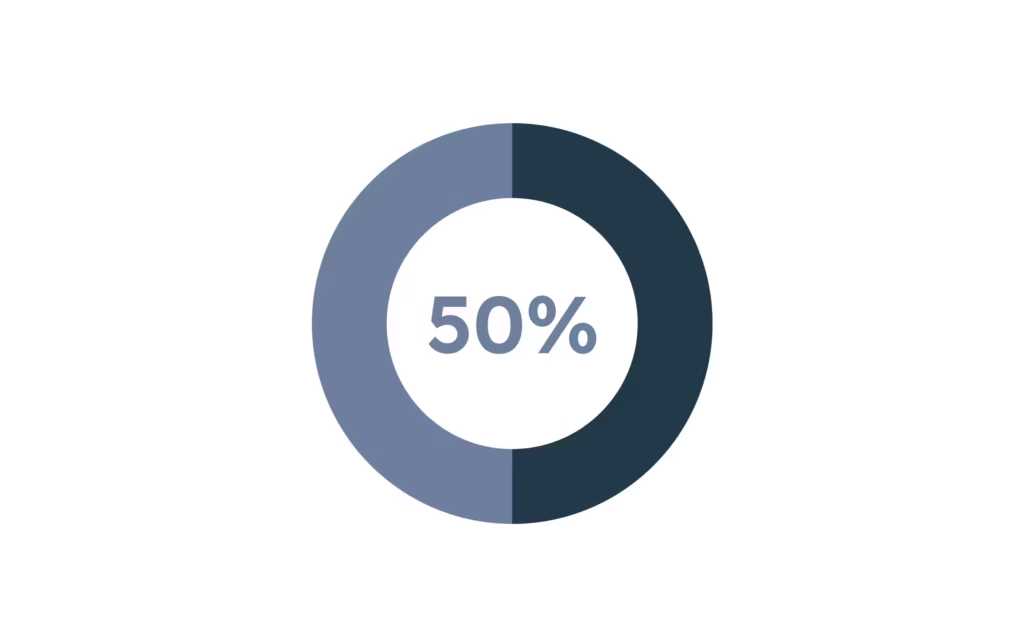
Caregiving is another key consideration that can influence a wealth builder’s ability to grow wealth. Statistics Canada reports that more than half of women aged 15 and older4 provide some form of care to children or dependent adults.
These caregiving responsibilities often result in career interruptions, reduced working hours, or time spent outside the workforce. While these contributions are essential to families and communities, they can impact income growth and reduce contributions to pensions and retirement savings.
Fewer earning years can mean fewer opportunities for potential compound investment growth.
More than half of Canadian women provide unpaid care, which can affect career progression and retirement savings.
Impact on Building Generational Wealth
The effects of these financial challenges extend well beyond individual security. When women face structural barriers to building wealth, it can also limit their ability to create and transfer generational wealth to future family members.
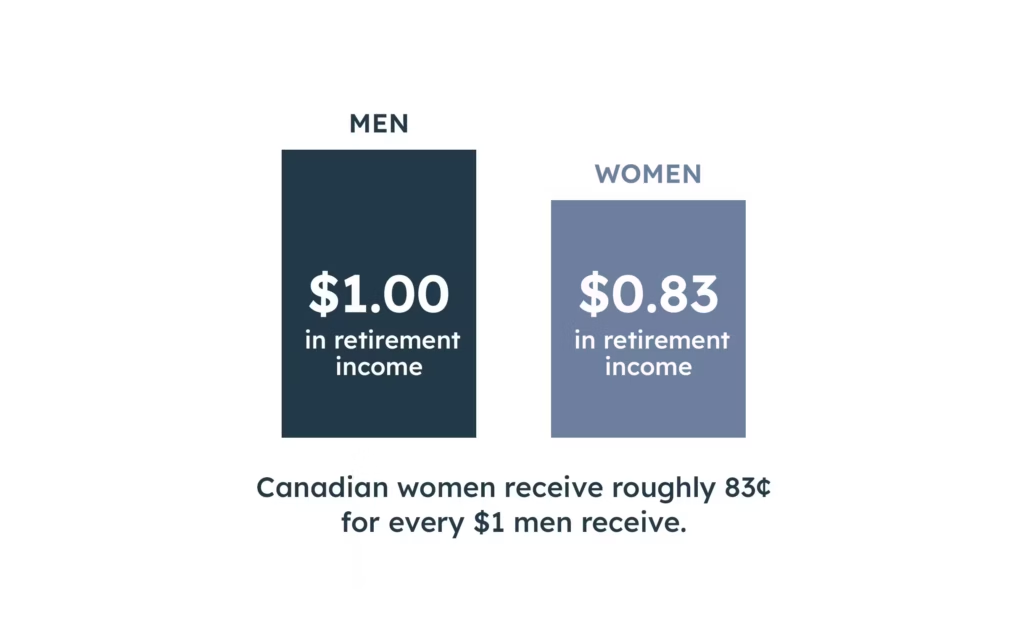
These disparities can compound later in life. Research shows that Canadian women receive roughly 83 cents in retirement income for every dollar received by men, reflecting a persistent gender pension gap of about 17%.5 In addition, senior women earn 26% less income than senior men on average 6, leaving many with fewer assets and savings to pass on to the next generation.
Because generational wealth is often built through long-term assets, such as investments, real estate, and retirement savings, these gaps can have lasting ripple effects. Lower lifetime earnings, reduced pension income, and fewer investment opportunities mean that women may accumulate fewer wealth-building assets that can be transferred to children or heirs.
Addressing these disparities is therefore not only an issue of financial equality but also of long-term economic resilience. Expanding access to investment education, diversified income-producing assets, and strategic financial planning can help more women build sustainable wealth, strengthening financial outcomes for both current and future generations.
Retirement and Financial Planning for Women
Retirement Plans Women Need to Consider
Effective retirement planning for women often involves a long-term approach that balances income generation, capital growth, and risk management.
Many Canadians rely on traditional retirement investments. While these asset classes are commonly used components of financial planning, relying exclusively on traditional investments may limit diversification and potential income streams.
A well-rounded retirement strategy often includes multiple asset classes designed to support:
- Long-term capital growth
- Reliable income streams
- Protection against inflation
- Diversification to manage risk
Exploring alternative investments, including private real estate, can help strengthen these strategies.
However, many investors assume real estate investing requires purchasing and managing property directly. In reality, professionally managed private real estate funds have made it possible to access diversified income-producing properties without the responsibilities of property ownership — an approach that is becoming increasingly popular among investors seeking income-oriented solutions and long-term portfolio diversification.
By 2028, Canadian women are expected to control close to $4 trillion in assets1, marking a significant shift in financial influence and economic power. Yet a meaningful wealth gap remains.
Key Takeaways:
- Women are likely to achieve financial independence and generate passive income in Canada through thoughtful retirement and financial planning, including alternative investments like private real estate.
- Understanding structural barriers, such as Canada’s gender pay and wealth gaps can help inform financial decision‑making for female investors.
- Strategic wealth planning strategies for women in Canada may help protect assets, support wealth protection, and foster building generational wealth for long-term financial security.
As we recognize Women’s History Month, it’s an opportunity to better understand these challenges and explore strategies that support long-term wealth creation.
Understanding the Wealth Gap in Canada
Gender Pay Gap in Canada and Its Long-Term Effects
One of the most widely discussed contributors to the wealth gap in Canada is the gender pay gap. According to Statistics Canada, women earn on average about 87 cents for every dollar earned by men.2 While this gap has gradually narrowed over time, it still has a lasting long-term impact on wealth accumulation.
Even small differences in income can compound over time. Lower earnings often mean less disposable income available to contribute to retirement accounts, savings, or investment portfolios. Over a 30- or 40-year career, the difference in earnings can translate into substantial amounts in lost investment potential.
When these earnings gaps are combined with differences in investment participation, the long-term effect on wealth accumulation becomes even more pronounced.
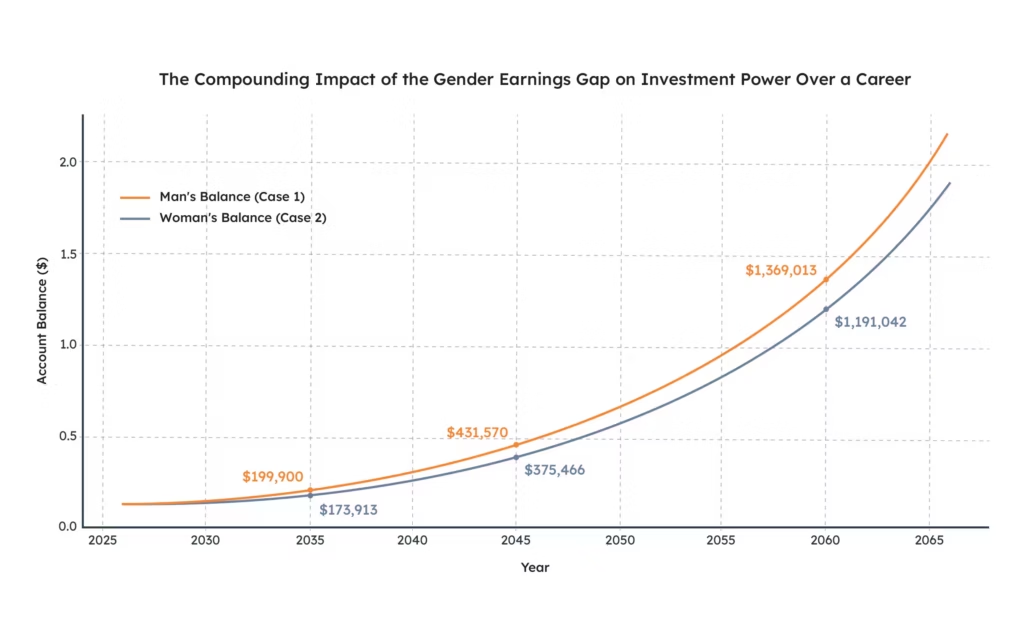
Disclaimer: This chart is provided for illustrative purposes only and does not represent actual investment performance. The balances shown are hypothetical and assume a constant average annual rate of return of 8% with no additional contributions or withdrawals. Individual results will vary based on actual investment choices, market conditions, fees, and other factors. This illustration is intended to demonstrate the potential long-term impact of the gender earnings gap on investment accumulation and should not be considered financial advice.
Understanding the Wealth Gap in Canada
Gender Pay Gap in Canada and Its Long-Term Effects
One of the most widely discussed contributors to the wealth gap in Canada is the gender pay gap. According to Statistics Canada, women earn on average about 87 cents for every dollar earned by men.2 While this gap has gradually narrowed over time, it still has a lasting long-term impact on wealth accumulation.
Even small differences in income can compound over time. Lower earnings often mean less disposable income available to contribute to retirement accounts, savings, or investment portfolios. Over a 30- or 40-year career, the difference in earnings can translate into substantial amounts in lost investment potential.
When these earnings gaps are combined with differences in investment participation, the long-term effect on wealth accumulation becomes even more pronounced.
Why Women Face Unique Retirement and Financial Planning Challenges
Beyond income differences, women often face several structural challenges that affect retirement planning and financial security.
Longer Life Expectancy
Women in Canada typically live longer than men. According to Statistics Canada, women’s life expectancy is approximately 84 years, compared with about 80 years for men.3
While longevity is a positive outcome, it also means women may need their retirement savings to last longer. A longer retirement horizon may require careful financial planning and investments that can generate income and maintain purchasing power over time.
Without sufficient wealth-building strategies in place, there is a possibility that retirement savings may not last throughout later stages of life.
Interrupted Careers and Caregiving Responsibilities
Caregiving is another key consideration that can influence a wealth builder’s ability to grow wealth. Statistics Canada reports that more than half of women aged 15 and older4 provide some form of care to children or dependent adults.
These caregiving responsibilities often result in career interruptions, reduced working hours, or time spent outside the workforce. While these contributions are essential to families and communities, they can impact income growth and reduce contributions to pensions and retirement savings.
Fewer earning years can mean fewer opportunities for potential compound investment growth.
More than half of Canadian women provide unpaid care, which can affect career progression and retirement savings.
Impact on Building Generational Wealth
The effects of these financial challenges extend well beyond individual security. When women face structural barriers to building wealth, it can also limit their ability to create and transfer generational wealth to future family members.
These disparities can compound later in life. Research shows that Canadian women receive roughly 83 cents in retirement income for every dollar received by men, reflecting a persistent gender pension gap of about 17%.5 In addition, senior women earn 26% less income than senior men on average 6, leaving many with fewer assets and savings to pass on to the next generation.
Because generational wealth is often built through long-term assets, such as investments, real estate, and retirement savings, these gaps can have lasting ripple effects. Lower lifetime earnings, reduced pension income, and fewer investment opportunities mean that women may accumulate fewer wealth-building assets that can be transferred to children or heirs.
Addressing these disparities is therefore not only an issue of financial equality but also of long-term economic resilience. Expanding access to investment education, diversified income-producing assets, and strategic financial planning can help more women build sustainable wealth, strengthening financial outcomes for both current and future generations.
Retirement and Financial Planning for Women
Retirement Plans Women Need to Consider
Effective retirement planning for women often involves a long-term approach that balances income generation, capital growth, and risk management.
Many Canadians rely on traditional retirement investments. While these asset classes are commonly used components of financial planning, relying exclusively on traditional investments may limit diversification and potential income streams.
A well-rounded retirement strategy often includes multiple asset classes designed to support:
- Long-term capital growth
- Reliable income streams
- Protection against inflation
- Diversification to manage risk
Exploring alternative investments, including private real estate, can help strengthen these strategies.
However, many investors assume real estate investing requires purchasing and managing property directly. In reality, professionally managed private real estate funds have made it possible to access diversified income-producing properties without the responsibilities of property ownership — an approach that is becoming increasingly popular among investors seeking income-oriented solutions and long-term portfolio diversification.
Unlock What’s Possible for Your Financial Future

Wealth Builder Strategies for Women in Canada
Building long-term wealth often involves intentional planning and informed decision-making. While women’s economic influence continues to grow, research shows that access to investing opportunities and financial guidance still plays an important role in helping women work toward their financial goals.
In Canada, women’s financial power is rising rapidly, with the assets they control expected to nearly double from $2.2 trillion today to close to $4 trillion by 2028.1
However, participation in investing still lags behind men in some areas. For example, only about 60% of women invest in the stock market 7 meaning many are missing opportunities to benefit from long-term market growth. Several strategies can help women strengthen their financial outlook.
Start early and stay consistent.
Beginning to invest early and contributing regularly may allow compound growth to work over time. Consistent investing can be particularly important given that women often have longer life expectancies and may need their retirement savings to last longer.
Diversify beyond traditional investments.
Expanding portfolios beyond traditional asset classes may help manage volatility and create additional potential sources of income. Diversification across asset classes, including alternatives such as private real estate, may help investors pursue both income and long-term growth.
Seek professional guidance.
Working with experienced financial professionals can help investors identify opportunities, build diversified portfolios, and stay aligned with their long-term financial goals. Research suggests women are also more likely to remain disciplined investors once they establish a plan, with over half of women staying invested during market downturns compared with 43% of men.8
Organizations such as VersaFi (Formerly: Women in Capital Markets) and the Canadian Women’s Foundation have emphasized that expanding access to financial education and investment opportunities is an important step in supporting women’s long-term financial independence.
Access to Financial Literacy and Guidance
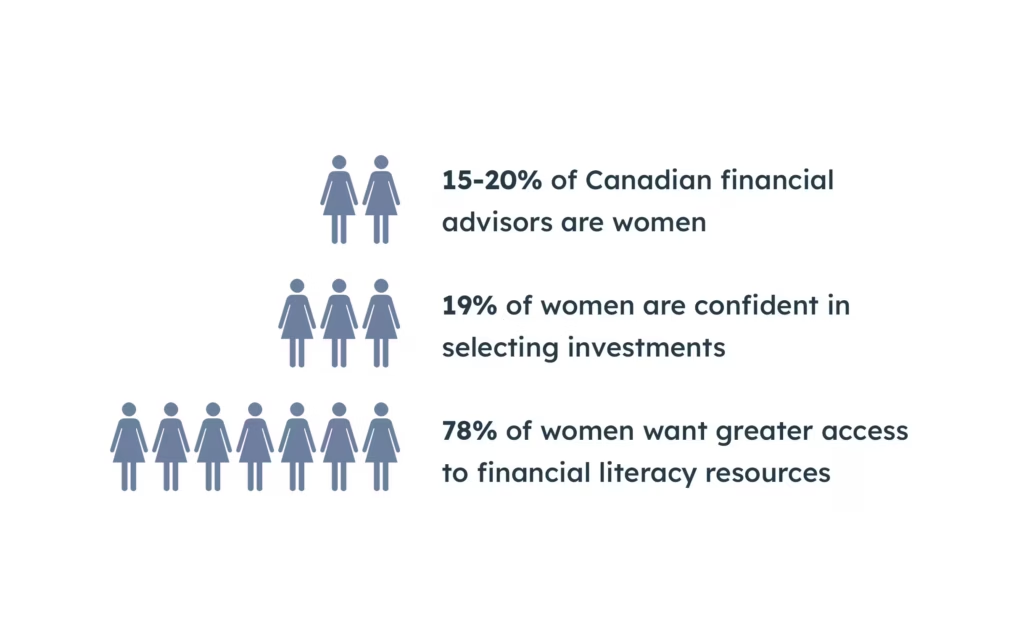
Historically, women were less represented in financial decision-making conversations and the financial services industry itself. For example, in 2023 it was reported that women account for only about 15–20% of financial advisors in Canada9 ,which can make it harder for female investors to find advisors or mentors they relate to.
Confidence gaps can also play a role. One study found that only 19% of women feel confident selecting investments that align with their financial goals10 even though many are actively managing household finances and long-term savings.
At the same time, surveys show strong demand for financial knowledge and planning resources. In a recent Canadian survey, 78% of women said they want greater access to financial literacy resources11, and many reported not having a formal financial plan in place.
Encouragingly, progress is being made. Women’s representation in investment decision-making roles is increasing across Canada’s capital markets, with 88% of venture capital and private equity firms now including at least one woman on their investment committees, up from 63% just a few years earlier. 12
Improving access to financial education and trusted guidance can help close remaining gaps. With the right information and professional support, women can build confidence in their investment decisions and pursue wealth-building strategies that align with their long-term goals.
How Private Real Estate Can Help Close the Wealth Gap in Canada
Private real estate may offer female investors a powerful way to address the gender pay gap in Canada while growing their financial portfolios.
Key Benefits for Women:
- Passive Income: Rental properties generate potential steady cash flow to supplement savings and support retirement.
- Building Generational Wealth: Investments in real estate help create long-term wealth for future generations.
- Wealth Protection: Real estate values may keep pace with inflation, safeguarding your capital.
- Financial Security: Diversified property investments can enhance stability and reduce reliance on volatile markets.
For many investors, the challenge is not understanding the value of real estate but accessing it without the financial and operational barriers that come with buying and managing property directly. Professionally managed real estate funds provide a way to participate in income-producing properties while leaving property acquisition, leasing, and management to experienced teams.
Taking Action: Securing Your Financial Future
Investing in private real estate can help female investors build financial security and work toward closing the wealth gap in Canada.
How to Start Investing with Equiton:
Explore professionally managed real estate funds.
Equiton’s Apartment Fund provides access to a diversified portfolio of income-producing residential properties across Canada, allowing investors to participate in real estate ownership without managing tenants or properties directly.
Start with an accessible minimum investment.
With a minimum investment starting at $25,000, investors can gain exposure to private real estate without the large capital requirements associated with purchasing property individually.

Generate passive income through monthly distributions.
Some Equiton funds are designed to offer regular income distributions from stabilized rental properties, helping investors supplement retirement savings and build consistent passive income.

Invest alongside experienced real estate professionals.
Equiton’s in-house teams manage acquisitions, financing, property operations, and long-term portfolio strategy, allowing investors to focus on their financial goals while professionals handle day-to-day management.

Together, these features allow investors to access institutional-quality real estate opportunities that may otherwise be difficult to achieve individually.
Personalized Investment Guidance for Women
Every investor’s journey is unique, and strategies should reflect goals, timelines, and risk tolerance.
Working with experienced professionals helps women make informed decisions about portfolio diversification, retirement and financial planning, and wealth protection through alternative investments like private real estate.
Women’s History Month
Women’s History Month is an opportunity not only to reflect on progress but also to focus on the future.
Financial empowerment plays a crucial role in building independence, stability, and opportunity. When women have access to the knowledge, tools, and investment opportunities needed to pursue wealth-building goals, they can strengthen not only their own financial futures but also those of their families and communities.
Closing the wealth gap in Canada will require continued progress, education, and access to inclusive financial opportunities. By exploring strategic investment solutions and taking an active role in wealth planning, women can continue building a stronger financial future.
Unlock What’s Possible for Your Financial Future
Wealth Builder Strategies for Women in Canada
Building long-term wealth often involves intentional planning and informed decision-making. While women’s economic influence continues to grow, research shows that access to investing opportunities and financial guidance still plays an important role in helping women work toward their financial goals.
In Canada, women’s financial power is rising rapidly, with the assets they control expected to nearly double from $2.2 trillion today to close to $4 trillion by 2028.1
However, participation in investing still lags behind men in some areas. For example, only about 60% of women invest in the stock market 7 meaning many are missing opportunities to benefit from long-term market growth. Several strategies can help women strengthen their financial outlook.
Start early and stay consistent.
Beginning to invest early and contributing regularly may allow compound growth to work over time. Consistent investing can be particularly important given that women often have longer life expectancies and may need their retirement savings to last longer.
Diversify beyond traditional investments.
Expanding portfolios beyond traditional asset classes may help manage volatility and create additional potential sources of income. Diversification across asset classes, including alternatives such as private real estate, may help investors pursue both income and long-term growth.
Seek professional guidance.
Working with experienced financial professionals can help investors identify opportunities, build diversified portfolios, and stay aligned with their long-term financial goals. Research suggests women are also more likely to remain disciplined investors once they establish a plan, with over half of women staying invested during market downturns compared with 43% of men.8
Organizations such as VersaFi (Formerly: Women in Capital Markets) and the Canadian Women’s Foundation have emphasized that expanding access to financial education and investment opportunities is an important step in supporting women’s long-term financial independence.
Access to Financial Literacy and Guidance
Historically, women were less represented in financial decision-making conversations and the financial services industry itself. For example, in 2023 it was reported that women account for only about 15–20% of financial advisors in Canada9 ,which can make it harder for female investors to find advisors or mentors they relate to.
Confidence gaps can also play a role. One study found that only 19% of women feel confident selecting investments that align with their financial goals10 even though many are actively managing household finances and long-term savings.
At the same time, surveys show strong demand for financial knowledge and planning resources. In a recent Canadian survey, 78% of women said they want greater access to financial literacy resources11, and many reported not having a formal financial plan in place.
Encouragingly, progress is being made. Women’s representation in investment decision-making roles is increasing across Canada’s capital markets, with 88% of venture capital and private equity firms now including at least one woman on their investment committees, up from 63% just a few years earlier. 12
Improving access to financial education and trusted guidance can help close remaining gaps. With the right information and professional support, women can build confidence in their investment decisions and pursue wealth-building strategies that align with their long-term goals.
Encouragingly, progress is being made. Women’s representation in investment decision-making roles is increasing across Canada’s capital markets, with 88% of venture capital and private equity firms now including at least one woman on their investment committees, up from 63% just a few years earlier. 12
Improving access to financial education and trusted guidance can help close remaining gaps. With the right information and professional support, women can build confidence in their investment decisions and pursue wealth-building strategies that align with their long-term goals.
How Private Real Estate Can Help Close the Wealth Gap in Canada
Private real estate may offer female investors a powerful way to address the gender pay gap in Canada while growing their financial portfolios.
Key Benefits for Women:
- Passive Income: Rental properties generate potential steady cash flow to supplement savings and support retirement.
- Building Generational Wealth: Investments in real estate help create long-term wealth for future generations.
- Wealth Protection: Real estate values may keep pace with inflation, safeguarding your capital.
- Financial Security: Diversified property investments can enhance stability and reduce reliance on volatile markets.
For many investors, the challenge is not understanding the value of real estate but accessing it without the financial and operational barriers that come with buying and managing property directly. Professionally managed real estate funds provide a way to participate in income-producing properties while leaving property acquisition, leasing, and management to experienced teams.
Taking Action: Securing Your Financial Future
Investing in private real estate can help female investors build financial security and work toward closing the wealth gap in Canada.
How to Start Investing with Equiton:
Explore professionally managed real estate funds.
Equiton’s Apartment Fund provides access to a diversified portfolio of income-producing residential properties across Canada, allowing investors to participate in real estate ownership without managing tenants or properties directly.
Start with an accessible minimum investment.
With a minimum investment starting at $25,000, investors can gain exposure to private real estate without the large capital requirements associated with purchasing property individually.
Generate passive income through monthly distributions.
Some Equiton funds are designed to offer regular income distributions from stabilized rental properties, helping investors supplement retirement savings and build consistent passive income.
Invest alongside experienced real estate professionals.
Equiton’s in-house teams manage acquisitions, financing, property operations, and long-term portfolio strategy, allowing investors to focus on their financial goals while professionals handle day-to-day management.
Together, these features allow investors to access institutional-quality real estate opportunities that may otherwise be difficult to achieve individually.
Personalized Investment Guidance for Women
Every investor’s journey is unique, and strategies should reflect goals, timelines, and risk tolerance.
Working with experienced professionals helps women make informed decisions about portfolio diversification, retirement and financial planning, and wealth protection through alternative investments like private real estate.
Women’s History Month
Women’s History Month is an opportunity not only to reflect on progress but also to focus on the future.
Financial empowerment plays a crucial role in building independence, stability, and opportunity. When women have access to the knowledge, tools, and investment opportunities needed to pursue wealth-building goals, they can strengthen not only their own financial futures but also those of their families and communities.
Closing the wealth gap in Canada will require continued progress, education, and access to inclusive financial opportunities. By exploring strategic investment solutions and taking an active role in wealth planning, women can continue building a stronger financial future.
Ready to Take the First Step?
Equiton helps Canadians explore private real estate to pursue passive income oriented approaches in Canada, diversify portfolios, and grow long-term wealth.
Our team guides investors in aligning strategies with goals, supporting retirement planning for women, and achieving financial security with professionally managed funds.
Connect with an investment specialist today to start building your future and become a confident wealth builder.




Sources:
- CIBC Capital Markets. (2019). The changing landscape of women’s wealth. Investment Executive. https://www.investmentexecutive.com/news/research-and-markets/canadian-women-to-control-nearly-4-trillion-by-2028?
- Statistics Canada. (2023). Average earnings by sex, annual. https://www150.statcan.gc.ca/t1/tbl1/en/tv.action?pid=1410028701
- Statistics Canada. (2023). Life expectancy at birth, by sex. https://www150.statcan.gc.ca/t1/tbl1/en/tv.action?pid=1310039401
- Statistics Canada. (2019). Caregiving in Canada, 2018. https://www150.statcan.gc.ca/n1/pub/75-006-x/2019001/article/00001-eng.htm
- Ontario Pay Equity Office. (2024). Gender pension gap. Government of Ontario. https://payequity.gov.on.ca/gender-pension-gap/
- Statistics Canada. (2024, December 4). Canada’s retirement income landscape: Trends by gender and age. Government of Canada. https://www150.statcan.gc.ca/n1/daily-quotidien/241204/dq241204b-eng.htm
- RBC Royal Bank. (n.d.). Closing the gender investment gap. https://www.rbcroyalbank.com/en-ca/my-money-matters/life-events/finances-and-relationships/women-money-management/closing-gender-investment-gap/
- Canadian Investment Regulatory Organization. (2024). 2024 investor survey (May 2024 report). https://www.ciro.ca/sites/default/files/2024-06/2024-Investor-Survey-Report-EN.pdf
- Sun Life Global Investments. (2023). Only 15 % of financial advisors in Canada are women, while women’s share of wealth assets expected to double by 2028. Sun Life. https://www.sunlife.com/en/newsroom/news-releases/announcement/only-15-of-financial-advisors-in-canada-are-women-while-womens-share-of-wealth-assets-expected-to-double-by-2028/123720/
- Fidelity Canada. (2023). Gender investment gap. https://www.fidelity.ca/en/insights/articles/gender-investment-gap/
- BMO Financial Group. (2023, March 7). BMO survey finds Canadian women are 16 per cent less confident in retiring compared to men. BMO Financial Group. https://newsroom.bmo.com/2023-03-07-BMO-Survey-Finds-Canadian-Women-are-16-per-cent-Less-Confident-in-Retiring-Compared-to-Men
- Business Development Bank of Canada. (2025, November 26). Women claim their seat: 88% of Canadian VC and PE firms now feature women on investment committees – BDC report. https://www.bdc.ca/en/about/mediaroom/news-releases/women-claim-their-seat-88-of-canadian-vc-and-pe-firms-now-feature-women-on-investment-committees-bdc-report
Frequently Asked Questions
The gender pay gap can directly impact the amount women can contribute to retirement accounts over their careers. Earning less than men means women often have lower savings, smaller investment portfolios, and reduced compound growth over time. Combined with longer life expectancy and career interruptions for caregiving, this can create a significant wealth gap at retirement. Investing strategically, including in alternative assets like private real estate, can help bridge this gap and strengthen long-term financial security.
Starting in passive real estate is easier than many think. Women can invest through professionally managed real estate funds, like Equiton’s Apartment Fund, which allow you to earn income from high-quality residential properties without managing tenants or properties directly. The first step is to identify your financial goals, consult with a specialist, and select a fund that aligns with your desired income, risk tolerance, and long-term growth objectives.
The most effective strategies designed for building wealth include:
- Diversifying investments across asset classes to reduce risk
- Focusing on long-term growth rather than short-term gains
- Generating passive income through assets like rental properties
- Leveraging tax-efficient accounts like TFSAs or RRSPs
- Accessing professional guidance to make informed decisions
By combining these strategies, women can grow wealth, protect financial security, and build retirement readiness over time.
Equiton removes the complexities of property ownership by offering professionally managed real estate funds. Investors can benefit from:
- Diversified portfolios of income-producing properties
- Expert management handling acquisitions, leasing, and maintenance
- Targeted monthly passive income distributions
- Opportunities in both stabilized properties and development projects
This approach allows women to focus on growing their wealth without worrying about day-to-day property management.
With Equiton, the minimum investment starts at $25,000, giving investors access to a diversified portfolio of high-quality residential and commercial properties. This lower entry point makes private real estate accessible without the large upfront costs and responsibilities associated with buying property individually.
Ready to Take the First Step?
Equiton helps Canadians explore private real estate to pursue passive income oriented approaches in Canada, diversify portfolios, and grow long-term wealth.
Our team guides investors in aligning strategies with goals, supporting retirement planning for women, and achieving financial security with professionally managed funds.
Connect with an investment specialist today to start building your future and become a confident wealth builder.
Sources:
- CIBC Capital Markets. (2019). The changing landscape of women’s wealth. Investment Executive. https://www.investmentexecutive.com/news/research-and-markets/canadian-women-to-control-nearly-4-trillion-by-2028?
- Statistics Canada. (2023). Average earnings by sex, annual. https://www150.statcan.gc.ca/t1/tbl1/en/tv.action?pid=1410028701
- Statistics Canada. (2023). Life expectancy at birth, by sex. https://www150.statcan.gc.ca/t1/tbl1/en/tv.action?pid=1310039401
- Statistics Canada. (2019). Caregiving in Canada, 2018. https://www150.statcan.gc.ca/n1/pub/75-006-x/2019001/article/00001-eng.htm
- Ontario Pay Equity Office. (2024). Gender pension gap. Government of Ontario. https://payequity.gov.on.ca/gender-pension-gap/
- Statistics Canada. (2024, December 4). Canada’s retirement income landscape: Trends by gender and age. Government of Canada. https://www150.statcan.gc.ca/n1/daily-quotidien/241204/dq241204b-eng.htm
- RBC Royal Bank. (n.d.). Closing the gender investment gap. https://www.rbcroyalbank.com/en-ca/my-money-matters/life-events/finances-and-relationships/women-money-management/closing-gender-investment-gap/
- Canadian Investment Regulatory Organization. (2024). 2024 investor survey (May 2024 report). https://www.ciro.ca/sites/default/files/2024-06/2024-Investor-Survey-Report-EN.pdf
- Sun Life Global Investments. (2023). Only 15 % of financial advisors in Canada are women, while women’s share of wealth assets expected to double by 2028. Sun Life. https://www.sunlife.com/en/newsroom/news-releases/announcement/only-15-of-financial-advisors-in-canada-are-women-while-womens-share-of-wealth-assets-expected-to-double-by-2028/123720/
- Fidelity Canada. (2023). Gender investment gap. https://www.fidelity.ca/en/insights/articles/gender-investment-gap/
- BMO Financial Group. (2023, March 7). BMO survey finds Canadian women are 16 per cent less confident in retiring compared to men. BMO Financial Group. https://newsroom.bmo.com/2023-03-07-BMO-Survey-Finds-Canadian-Women-are-16-per-cent-Less-Confident-in-Retiring-Compared-to-Men
- Business Development Bank of Canada. (2025, November 26). Women claim their seat: 88% of Canadian VC and PE firms now feature women on investment committees – BDC report. https://www.bdc.ca/en/about/mediaroom/news-releases/women-claim-their-seat-88-of-canadian-vc-and-pe-firms-now-feature-women-on-investment-committees-bdc-report
Frequently Asked Questions
The gender pay gap can directly impact the amount women can contribute to retirement accounts over their careers. Earning less than men means women often have lower savings, smaller investment portfolios, and reduced compound growth over time. Combined with longer life expectancy and career interruptions for caregiving, this can create a significant wealth gap at retirement. Investing strategically, including in alternative assets like private real estate, can help bridge this gap and strengthen long-term financial security.
Starting in passive real estate is easier than many think. Women can invest through professionally managed real estate funds, like Equiton’s Apartment Fund, which allow you to earn income from high-quality residential properties without managing tenants or properties directly. The first step is to identify your financial goals, consult with a specialist, and select a fund that aligns with your desired income, risk tolerance, and long-term growth objectives.
The most effective strategies designed for building wealth include:
- Diversifying investments across asset classes to reduce risk
- Focusing on long-term growth rather than short-term gains
- Generating passive income through assets like rental properties
- Leveraging tax-efficient accounts like TFSAs or RRSPs
- Accessing professional guidance to make informed decisions
By combining these strategies, women can grow wealth, protect financial security, and build retirement readiness over time.
Equiton removes the complexities of property ownership by offering professionally managed real estate funds. Investors can benefit from:
- Diversified portfolios of income-producing properties
- Expert management handling acquisitions, leasing, and maintenance
- Targeted monthly passive income distributions
- Opportunities in both stabilized properties and development projects
This approach allows women to focus on growing their wealth without worrying about day-to-day property management.
With Equiton, the minimum investment starts at $25,000, giving investors access to a diversified portfolio of high-quality residential and commercial properties. This lower entry point makes private real estate accessible without the large upfront costs and responsibilities associated with buying property individually.