


Registered Accounts: Your Guide to Canadian Savings and Investments
Table of Contents
The $1 Trillion Problem
No, that’s not Canada’s GDP. It’s not national debt.
It’s the amount of unused RRSP contribution room sitting idle in Canadian accounts right now, according to the Canada Revenue Agency.1
Let that sink in for a second. 1 trillion dollars just waiting to work harder for everyday Canadians.
Here’s what most investors don’t realize: registered accounts can hold far more than mutual funds and GICs.
Beyond stocks and bonds, RRSPs and TFSAs can include qualifying real estate investments – from multi-family residential and commercial properties to development projects and private lending. That means you can combine tax advantages with exposure to real assets that have the potential to diversify your portfolio.
If your goal is to grow wealth more strategically and invest with intention, knowing what’s possible inside your registered accounts isn’t optional – it’s essential.
Can You Invest in Real Estate Using Registered Accounts in Canada?
The short answer is yes, but not in the way most people imagine. While it’s not typically possible to buy a rental property directly inside your RRSP or TFSA, there are several indirect ways to gain exposure to real estate markets using your registered accounts. These strategies allow Canadians to participate in real estate investing while remaining compliant with tax rules.
Why You Can’t Buy Property Directly in Registered Accounts
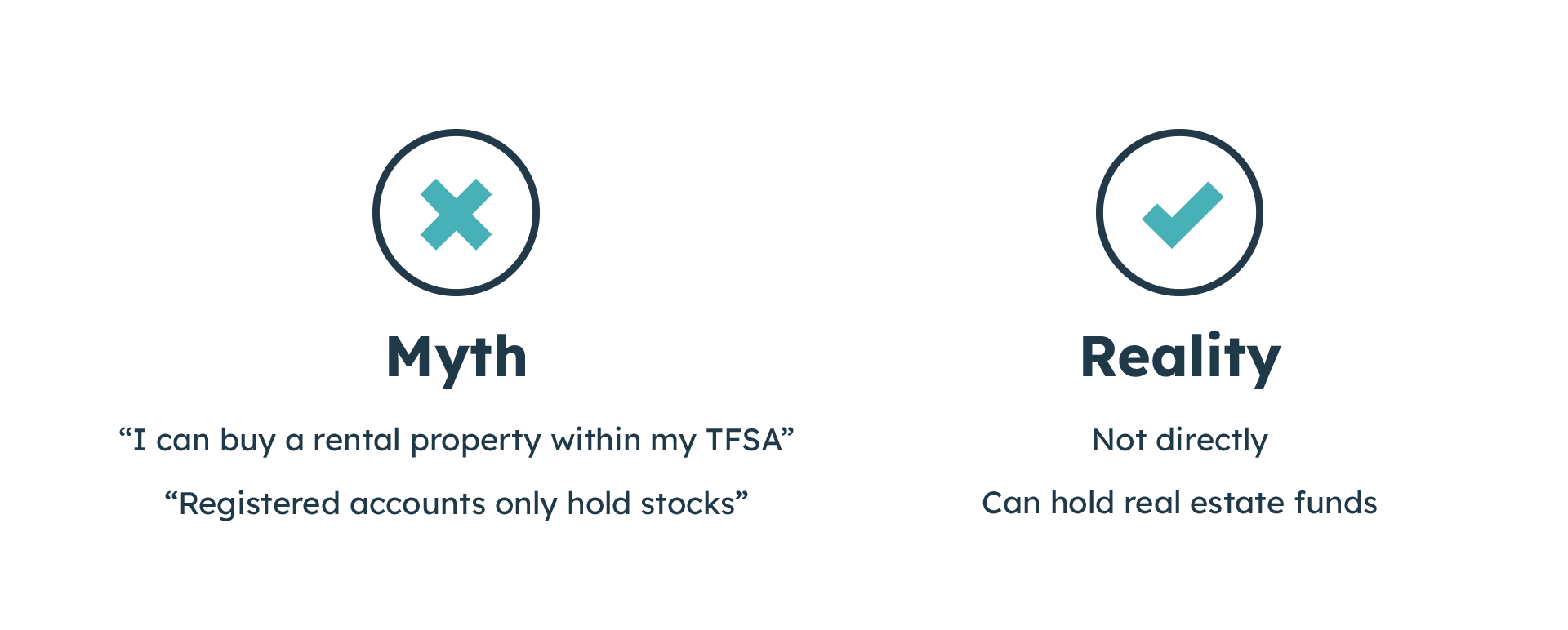
RRSPs and TFSAs are designed to shelter your savings from certain taxes while helping you grow your investments over time. However, purchasing a rental property or second home directly through these accounts is generally considered a prohibited investment and may result in penalties from the Canada Revenue Agency (CRA).
The Home Buyers’ Plan is one exception to the restriction on using registered accounts for direct real estate purchases. It allows first-time buyers to withdraw funds from their RRSP to buy a home that will be their primary residence. However, this program does not extend to investment properties, rental units, or vacation homes.
Beyond legality, managing a property through a registered account would create administrative complexity. Rental income, property expenses, and maintenance costs would all need to be meticulously documented to comply with CRA rules. Any misstep could result in taxes, penalties, or the loss of your account’s tax benefits.
The $1 Trillion Problem
No, that’s not Canada’s GDP. It’s not national debt.
It’s the amount of unused RRSP contribution room sitting idle in Canadian accounts right now, according to the Canada Revenue Agency.1
Let that sink in for a second. 1 trillion dollars just waiting to work harder for everyday Canadians.
Here’s what most investors don’t realize: registered accounts can hold far more than mutual funds and GICs.
Beyond stocks and bonds, RRSPs and TFSAs can include qualifying real estate investments – from multi-family residential and commercial properties to development projects and private lending. That means you can combine tax advantages with exposure to real assets that have the potential to diversify your portfolio.
If your goal is to grow wealth more strategically and invest with intention, knowing what’s possible inside your registered accounts isn’t optional – it’s essential.
Can You Invest in Real Estate Using Registered Accounts in Canada?
The short answer is yes, but not in the way most people imagine. While it’s not typically possible to buy a rental property directly inside your RRSP or TFSA, there are several indirect ways to gain exposure to real estate markets using your registered accounts. These strategies allow Canadians to participate in real estate investing while remaining compliant with tax rules.
Why You Can’t Buy Property Directly in Registered Accounts
RRSPs and TFSAs are designed to shelter your savings from certain taxes while helping you grow your investments over time. However, purchasing a rental property or second home directly through these accounts is generally considered a prohibited investment and may result in penalties from the Canada Revenue Agency (CRA).
The Home Buyers’ Plan is one exception to the restriction on using registered accounts for direct real estate purchases. It allows first-time buyers to withdraw funds from their RRSP to buy a home that will be their primary residence. However, this program does not extend to investment properties, rental units, or vacation homes.
Beyond legality, managing a property through a registered account would create administrative complexity. Rental income, property expenses, and maintenance costs would all need to be meticulously documented to comply with CRA rules. Any misstep could result in taxes, penalties, or the loss of your account’s tax benefits.
How Indirect Real Estate Investing in Registered Accounts Works
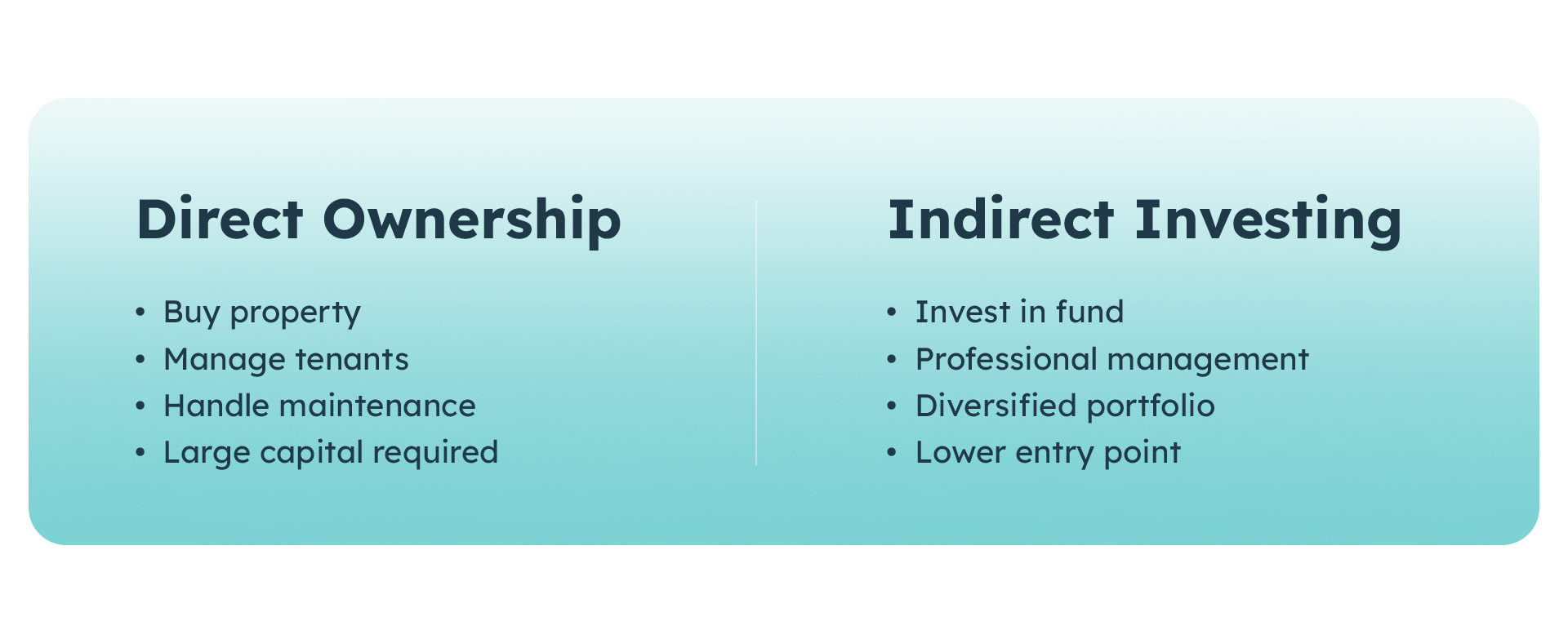
Instead of owning a property directly, investors could gain exposure through:
- Publicly traded Real Estate Investment Trusts (REITs)
- Private real estate funds
These vehicles pool capital from multiple investors and deploy it into diversified portfolios of real estate assets.
For example, private real estate funds such as those offered by Equiton operate across multi-family residential, commercial properties, development projects, and private lending, with professional management handling acquisitions, operations, financing, and risk management. When structured properly, these funds can be held within RRSPs and TFSAs — allowing income and growth to compound in a tax-advantaged environment.
This structure has the potential to solve three major problems:
- Access to institutional-quality assets
- Diversification across markets and asset types
- Operational complexity handled by professionals
How Indirect Real Estate Investing in Registered Accounts Works
Instead of owning a property directly, investors could gain exposure through:
- Publicly traded Real Estate Investment Trusts (REITs)
- Private real estate funds
These vehicles pool capital from multiple investors and deploy it into diversified portfolios of real estate assets.
For example, private real estate funds such as those offered by Equiton operate across multi-family residential, commercial properties, development projects, and private lending, with professional management handling acquisitions, operations, financing, and risk management. When structured properly, these funds can be held within RRSPs and TFSAs — allowing income and growth to compound in a tax-advantaged environment.
This structure has the potential to solve three major problems:
- Access to institutional-quality assets
- Diversification across markets and asset types
- Operational complexity handled by professionals
Discover What’s Possible With Your Registered Accounts

Discover What’s Possible With Your Registered Accounts
How to Invest in Real Estate Through Registered Accounts (RRSP & TFSA)
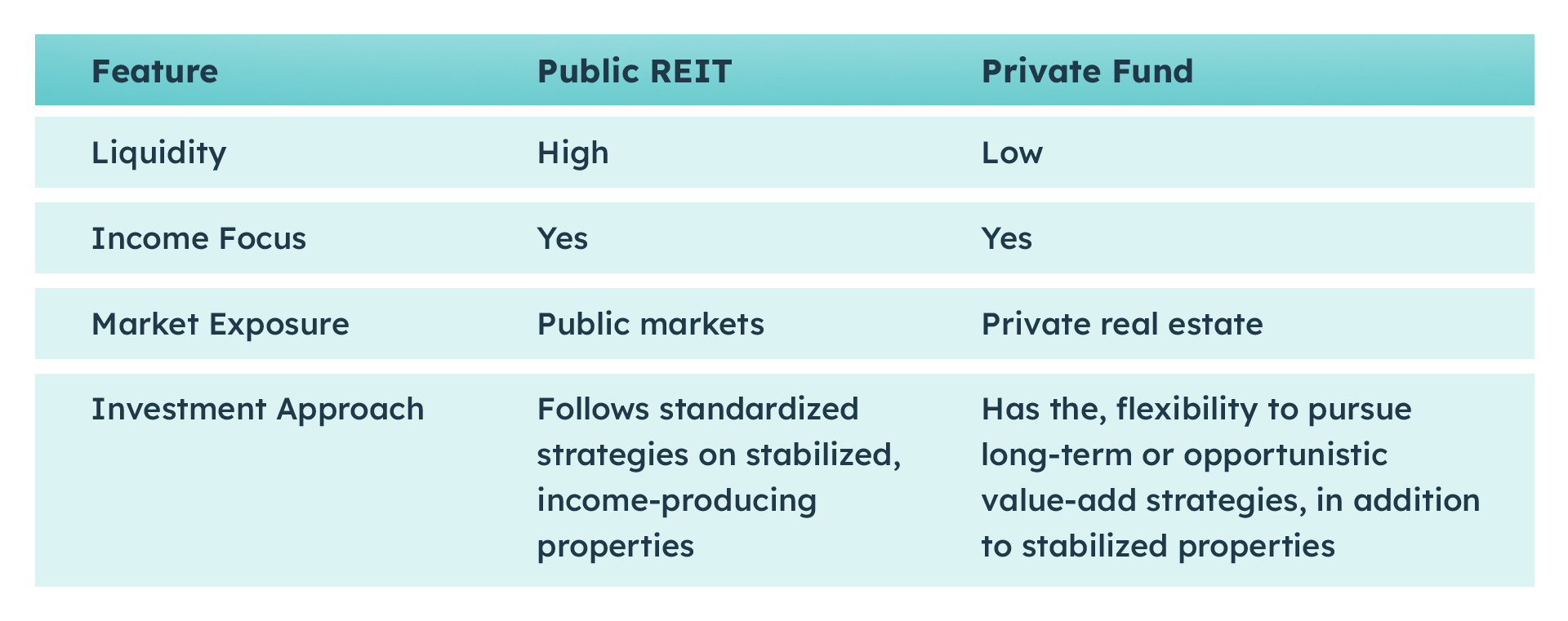
Here are the main options for Canadians looking to add real estate exposure to their registered accounts. Each has its own risk profile, liquidity, and potential return. Understanding the differences will help you choose the right investment based on your financial goals.
Option 1: Public REITs in Registered Accounts
Publicly traded Real Estate Investment Trusts (REITs) are listed on stock exchanges, making them accessible and liquid. They typically invest in commercial real estate like office buildings, shopping centers, or apartments.
Pros:
Easy to buy and sell through a brokerage
Diversification across multiple properties and regions
- Potential for income through distributions and capital appreciation
- Transparency and regulatory oversight
Considerations:
Market volatility can impact the share price
- Dividends are taxed differently than other income in non-registered accounts
- Management fees may apply
Public REITs are ideal for investors who want flexibility and access to real estate without the restrictions of private funds. Because they trade like stocks, you can adjust your holdings quickly if your financial goals or market conditions change.
Option 2: Private Real Estate Funds in Registered Accounts
Private real estate funds allow investors to participate in real estate without directly owning or managing properties. These funds are not publicly traded and are typically offered through an offering memorandum.
Pros:
- Professional management handles all operational tasks, from acquisition to property oversight
- Valued based on the underlying real estate assets, providing transparency into portfolio holdings
- Can offer tax advantages when held in RRSPs or TFSAs
- Designed for long-term growth through strategic property selection and active management
Considerations:
- Best suited for investors who can commit their money for the long term
- May have a minimum amount required to invest
- Investors should carefully read the fund documents before investing
- Only available to those who meet certain eligibility criteria
- Withdrawals may be limited or restricted
Private real estate funds can be particularly appealing for investors focused on long-term growth and diversification beyond traditional investments. By pooling capital with other investors, you can access larger-scale properties and professional management that would otherwise be out of reach.
Why Real Estate Works Well Inside Registered Accounts
Real estate and registered accounts complement each other, offering opportunities to grow wealth efficiently. Whether you are investing for retirement, a major purchase, or a future income stream, combining these strategies may maximize growth while minimizing taxes.
Tax Efficiency Benefits of Using Registered Accounts
Both RRSPs and TFSAs shelter your investments from certain taxes:
- RRSPs: Contributions are tax-deductible, and investments grow tax-deferred until time of withdrawal. This can be particularly advantageous if you expect to be in a lower tax bracket in retirement.
- TFSAs: Contributions are made with after-tax dollars, but all income and growth are tax-free, even on withdrawals. This makes TFSAs ideal for long-term compounding.
Holding real estate funds in these accounts means income distributions and capital gains can accumulate without being taxed immediately, letting your money work harder over time.
Additionally, using registered accounts can simplify reporting. Instead of tracking rental income and capital gains outside of your accounts, indirect investments consolidate income and growth in one place, making tax season less stressful.
RRSP
Tax deduction today
Tax-deferred growth
Tax at withdrawal
TFSA
After-tax contribution
Tax-free growth
Tax-free withdrawals
Long-Term Compounding and Growth in Registered Accounts
The combination of real estate returns and tax-sheltered growth can be powerful. Over time, the compounding effect, where your earnings generate their own earnings, can lead to meaningful wealth accumulation, especially when paired with regular contributions to your RRSP or TFSA.
For example, an investor who contributed a $25,000 initial investment, followed by a $7,000 subsequent deposit annually, to a private real estate fund inside a TFSA, with a 6% annual return, could see their investment grow to over $97,000 in 10 years, tax-free.* The same principle applies to RRSPs, though the tax treatment differs at withdrawal.
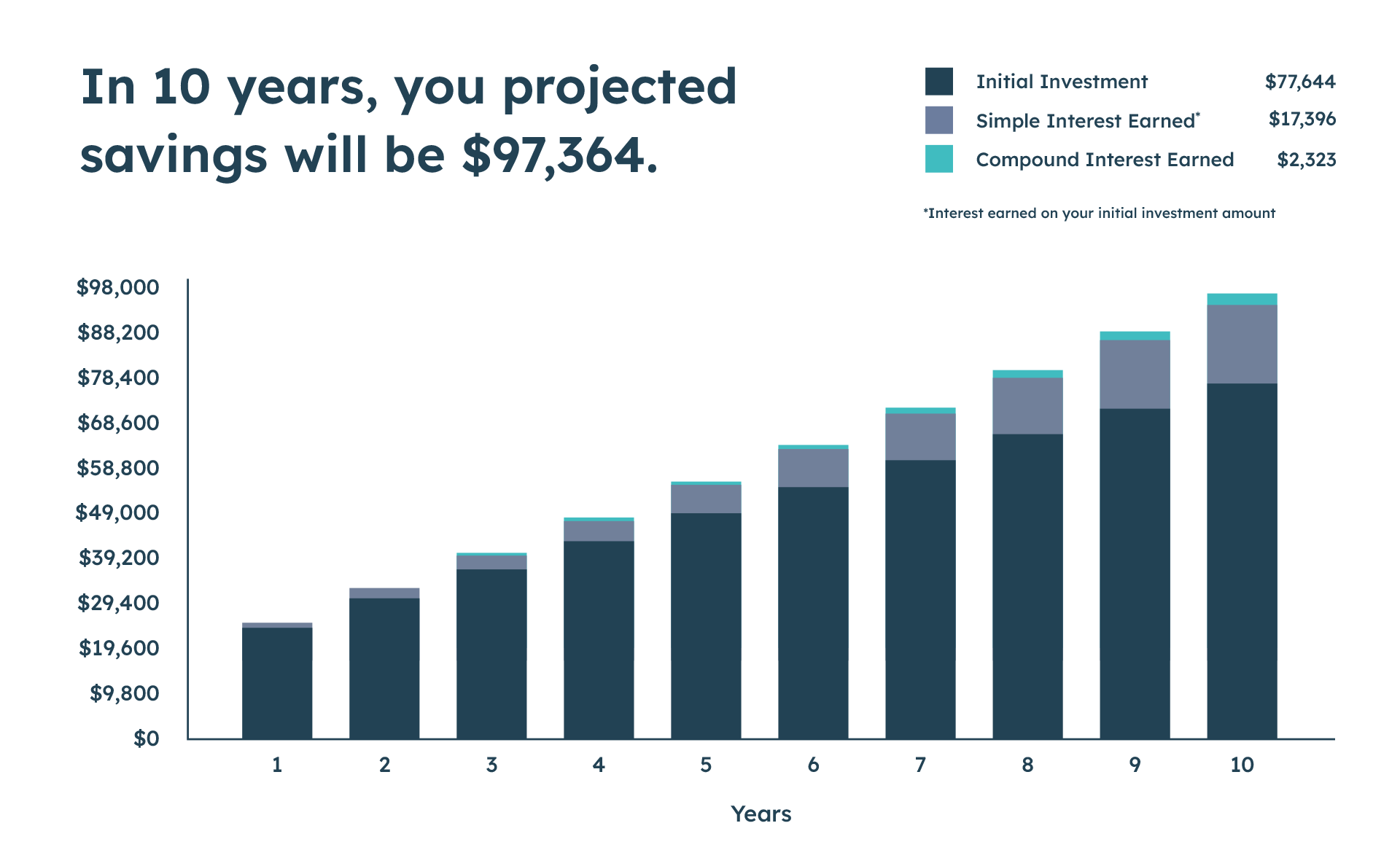
*Disclaimer: This example is for illustrative purposes only and is not a guarantee of future results. Assumptions used in this calculation include a $25,000 initial investment, $7,000 annual contributions, a 6% annual rate of return, and the reinvestment of distributions (DRIP) over a 10-year period. Actual investment performance may vary, and the value of your investment may increase or decrease. Tax treatment for RRSPs differs from TFSAs and is not reflected in this illustration.
Risk Management When Using Registered Accounts
Indirect real estate investments are subject to risks like market fluctuations, interest rate changes, and liquidity limitations. To manage risk:
- Assess your investment time horizon
- Understand each fund’s strategy and underlying assets
- Avoid over-concentrating in a single property type or region
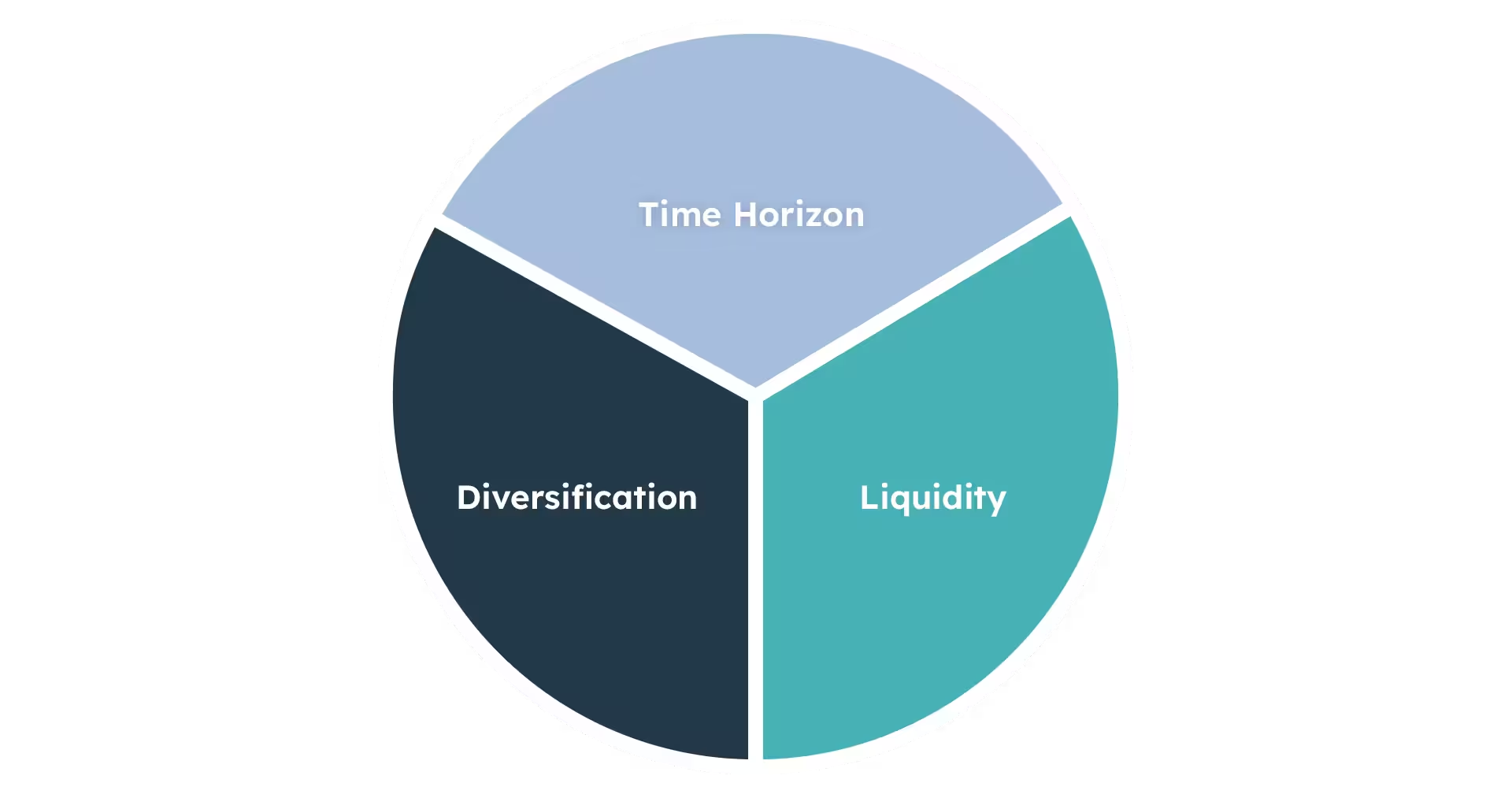
Regular portfolio reviews can help ensure your investments remain aligned with your goals. It’s also wise to work with a financial advisor or wealth management professional to navigate complex investment options within registered accounts.
How to Get Started with Real Estate in Your Registered Accounts
Investing doesn’t have to be complicated. Follow these steps to get started:
Step-by-Step: How to Invest Using Your RRSP or TFSA
- Review your account balances and contribution room
- Determine your investment goals: growth, income, or a combination
- Research indirect real estate options: public REITs and private real estate funds
- Evaluate risk and liquidity preferences
- Open the investment through your investment advisor or book a meeting with one of our investment specialists.
Starting small and building your portfolio over time can help you gain confidence in real estate investing within registered accounts.
How to Evaluate Real Estate Investments for Registered Accounts
When evaluating options:
- Review historical performance and management expertise
- Check fees, minimums, and liquidity
- Consider how the investment complements your broader portfolio
- Look for funds with transparent reporting and regular updates
Explore Equiton’s Private Real Estate Funds
Equiton offers private real estate funds that give investors access to high-quality Canadian properties, without the complexities of owning and managing real estate directly. With professional management and the potential to provide your portfolio with added diversification and long-term growth, these funds can also be held within registered accounts like your RRSP or TFSA.
Key Features:
- Professional Management: Experienced teams handle acquisition, operations, and risk management.
- Diversified Portfolios: Exposure across development projects, commercial properties, multi-family residential assets, and private lending opportunities in multiple markets.
- Long-Term Growth: Designed for patient capital, targeting steady returns and compounding wealth over time.
- Tax-Efficient: Can be held inside RRSPs or TFSAs to maximize tax advantages.
Registered Account Contribution Limits and Deadlines
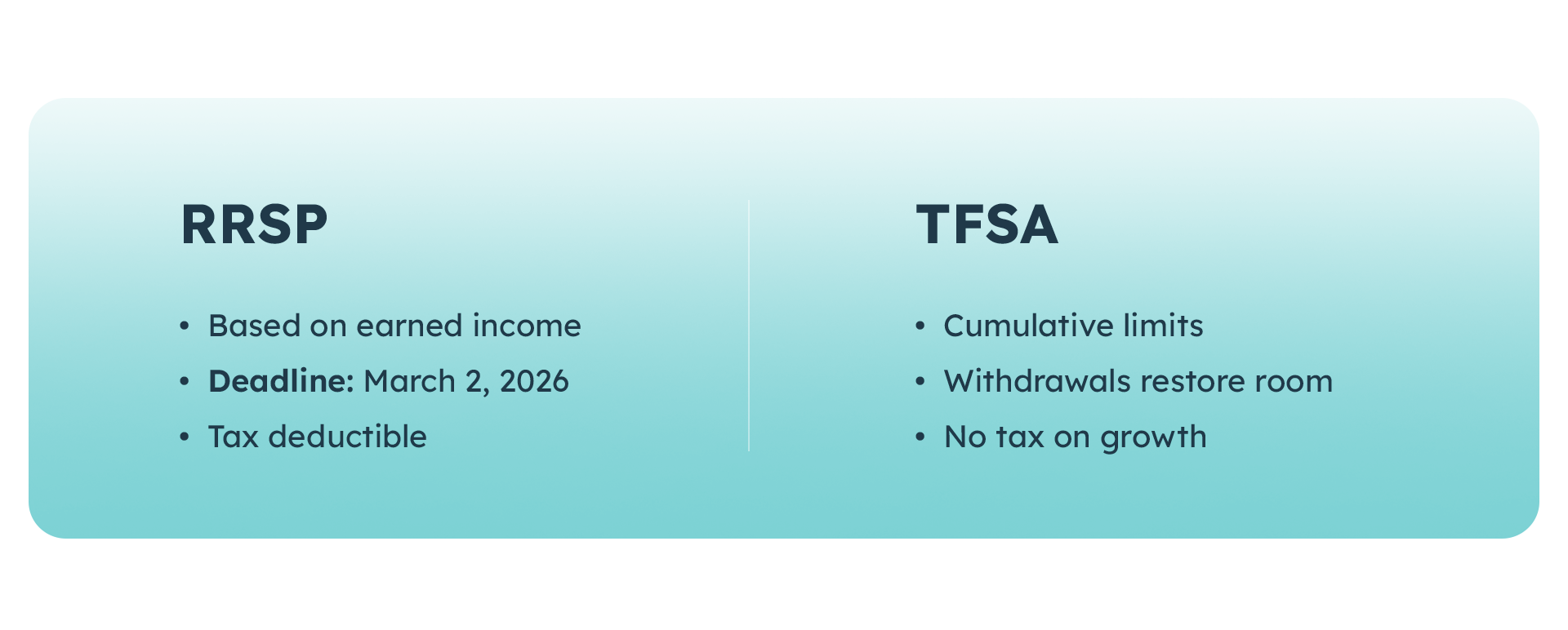
- RRSPs: Contribution limits are based on annual income and unused room from prior years. Contributions are deductible on your tax return. Deadline for 2025 contributions is March 2, 2026.
- TFSAs: Contributions are made with after-tax dollars, and all growth and withdrawals are completely tax-free; for 2026, the annual contribution limit is $7,000, and cumulative room since 2009 is $109,000 for those eligible.
How to Invest in Real Estate Through Registered Accounts (RRSP & TFSA)
Here are the main options for Canadians looking to add real estate exposure to their registered accounts. Each has its own risk profile, liquidity, and potential return. Understanding the differences will help you choose the right investment based on your financial goals.
Option 1: Public REITs in Registered Accounts
Publicly traded Real Estate Investment Trusts (REITs) are listed on stock exchanges, making them accessible and liquid. They typically invest in commercial real estate like office buildings, shopping centers, or apartments.
Pros:
Easy to buy and sell through a brokerage
Diversification across multiple properties and regions
- Potential for income through distributions and capital appreciation
- Transparency and regulatory oversight
Considerations:
Market volatility can impact the share price
- Dividends are taxed differently than other income in non-registered accounts
- Management fees may apply
Public REITs are ideal for investors who want flexibility and access to real estate without the restrictions of private funds. Because they trade like stocks, you can adjust your holdings quickly if your financial goals or market conditions change.
Option 2: Private Real Estate Funds in Registered Accounts
Private real estate funds allow investors to participate in real estate without directly owning or managing properties. These funds are not publicly traded and are typically offered through an offering memorandum.
Pros:
- Professional management handles all operational tasks, from acquisition to property oversight
- Valued based on the underlying real estate assets, providing transparency into portfolio holdings
- Can offer tax advantages when held in RRSPs or TFSAs
- Designed for long-term growth through strategic property selection and active management
Considerations:
- Best suited for investors who can commit their money for the long term
- May have a minimum amount required to invest
- Investors should carefully read the fund documents before investing
- Only available to those who meet certain eligibility criteria
- Withdrawals may be limited or restricted
Private real estate funds can be particularly appealing for investors focused on long-term growth and diversification beyond traditional investments. By pooling capital with other investors, you can access larger-scale properties and professional management that would otherwise be out of reach.
Why Real Estate Works Well Inside Registered Accounts
Real estate and registered accounts complement each other, offering opportunities to grow wealth efficiently. Whether you are investing for retirement, a major purchase, or a future income stream, combining these strategies may maximize growth while minimizing taxes.
Tax Efficiency Benefits of Using Registered Accounts
Both RRSPs and TFSAs shelter your investments from certain taxes:
- RRSPs: Contributions are tax-deductible, and investments grow tax-deferred until time of withdrawal. This can be particularly advantageous if you expect to be in a lower tax bracket in retirement.
- TFSAs: Contributions are made with after-tax dollars, but all income and growth are tax-free, even on withdrawals. This makes TFSAs ideal for long-term compounding.
Holding real estate funds in these accounts means income distributions and capital gains can accumulate without being taxed immediately, letting your money work harder over time.
Additionally, using registered accounts can simplify reporting. Instead of tracking rental income and capital gains outside of your accounts, indirect investments consolidate income and growth in one place, making tax season less stressful.
RRSP
Tax deduction today
Tax-deferred growth
Tax at withdrawal
TFSA
After-tax contribution
Tax-free growth
Tax-free withdrawals
Long-Term Compounding and Growth in Registered Accounts
The combination of real estate returns and tax-sheltered growth can be powerful. Over time, the compounding effect, where your earnings generate their own earnings, can lead to meaningful wealth accumulation, especially when paired with regular contributions to your RRSP or TFSA.
For example, an investor who contributed a $25,000 initial investment, followed by a $7,000 subsequent deposit annually, to a private real estate fund inside a TFSA, with a 6% annual return, could see their investment grow to over $97,000 in 10 years, tax-free.* The same principle applies to RRSPs, though the tax treatment differs at withdrawal.
*Disclaimer: This example is for illustrative purposes only and is not a guarantee of future results. Assumptions used in this calculation include a $25,000 initial investment, $7,000 annual contributions, a 6% annual rate of return, and the reinvestment of distributions (DRIP) over a 10-year period. Actual investment performance may vary, and the value of your investment may increase or decrease. Tax treatment for RRSPs differs from TFSAs and is not reflected in this illustration.
Risk Management When Using Registered Accounts
Indirect real estate investments are subject to risks like market fluctuations, interest rate changes, and liquidity limitations. To manage risk:
- Assess your investment time horizon
- Understand each fund’s strategy and underlying assets
- Avoid over-concentrating in a single property type or region
Regular portfolio reviews can help ensure your investments remain aligned with your goals. It’s also wise to work with a financial advisor or wealth management professional to navigate complex investment options within registered accounts.
How to Get Started with Real Estate in Your Registered Accounts
Investing doesn’t have to be complicated. Follow these steps to get started:
Step-by-Step: How to Invest Using Your RRSP or TFSA
- Review your account balances and contribution room
- Determine your investment goals: growth, income, or a combination
- Research indirect real estate options: public REITs and private real estate funds
- Evaluate risk and liquidity preferences
- Open the investment through your investment advisor or book a meeting with one of our investment specialists.
Starting small and building your portfolio over time can help you gain confidence in real estate investing within registered accounts.
How to Evaluate Real Estate Investments for Registered Accounts
When evaluating options:
- Review historical performance and management expertise
- Check fees, minimums, and liquidity
- Consider how the investment complements your broader portfolio
- Look for funds with transparent reporting and regular updates
Explore Equiton’s Private Real Estate Funds
Equiton offers private real estate funds that give investors access to high-quality Canadian properties, without the complexities of owning and managing real estate directly. With professional management and the potential to provide your portfolio with added diversification and long-term growth, these funds can also be held within registered accounts like your RRSP or TFSA.
Key Features:
- Professional Management: Experienced teams handle acquisition, operations, and risk management.
- Diversified Portfolios: Exposure across development projects, commercial properties, multi-family residential assets, and private lending opportunities in multiple markets.
- Long-Term Growth: Designed for patient capital, targeting steady returns and compounding wealth over time.
- Tax-Efficient: Can be held inside RRSPs or TFSAs to maximize tax advantages.
Registered Account Contribution Limits and Deadlines
- RRSPs: Contribution limits are based on annual income and unused room from prior years. Contributions are deductible on your tax return. Deadline for 2025 contributions is March 2, 2026.
- TFSAs: Contributions are made with after-tax dollars, and all growth and withdrawals are completely tax-free; for 2026, the annual contribution limit is $7,000, and cumulative room since 2009 is $109,000 for those eligible.
Calculate your contribution room
Keeping within these limits ensures you maximize tax benefits and avoid penalties, allowing your investments to grow efficiently over time.
Using your RRSP and TFSA to invest in real estate can be a smart, tax-efficient way to grow your wealth over time. While direct property ownership is usually off-limits, indirect investments through public REITs and private real estate funds allow you to participate in the market without managing tenants or properties yourself.
Know your options. Manage your risk. Maximize your tax advantages.
Ready to stop leaving money on the table?
At Equiton, we’re committed to helping you explore the potential of your registered accounts and pursue your financial goals through strategic private real estate investment. Contact us today to discover how private real estate investment can transform your registered accounts into wealth-building machines.
Your future self will thank you for acting today.




Frequently Asked Questions
You can’t hold a rental property directly in an RRSP or TFSA under Canada Revenue Agency rules. The only exception is the Home Buyers’ Plan, which lets first-time buyers withdraw up to $35,000 from an RRSP to purchase a primary residence, not a rental. Doing so anyway can trigger steep penalties and even revoke the account’s tax-advantaged status. For real estate exposure, use options like public REITs or private real estate funds instead.
RRSPs provide a tax deduction within the tax year you contribute, and your investments grow tax-deferred until you withdraw – ideally when you’re in a lower tax bracket. TFSAs don’t offer upfront deductions, but all growth and income are completely tax-free, and you can withdraw anytime without penalties or taxes. For real estate investments specifically, both accounts shelter you from paying tax on distributions and capital gains as they accumulate. Your choice should depend on your current income level, retirement timeline, and whether you need flexibility for earlier withdrawals.
Yes, you can hold the same investment in both your RRSP and TFSA simultaneously, if it’s an eligible investment under CRA rules and you stay within each account’s contribution limits. For example, you could invest in the same private real estate fund across both accounts, contributing the maximum to each annually, effectively doubling your tax-sheltered real estate exposure. Just remember that each account has separate contribution room and exceeding either limit results in penalties. Consider consulting a financial advisor to optimize your strategy based on your specific goals and tax situation.
Indirect real estate investments can work for most investors, but suitability depends on your risk tolerance, investment time horizon, and liquidity needs. Conservative investors or those needing access to their money within 1-3 years may find private real estate funds too illiquid, whereas public REITs offer daily liquidity . Investors with at least a 5-10 year horizon and moderate-to-high risk tolerance often benefit most from private funds, which has historically offered stable valuations and long-term appreciation potential. Before committing, assess whether you have sufficient liquid savings outside your registered accounts for emergencies and consult with a licensed financial advisor.
Calculate your contribution room
Keeping within these limits ensures you maximize tax benefits and avoid penalties, allowing your investments to grow efficiently over time.
Using your RRSP and TFSA to invest in real estate can be a smart, tax-efficient way to grow your wealth over time. While direct property ownership is usually off-limits, indirect investments through public REITs and private real estate funds allow you to participate in the market without managing tenants or properties yourself.
Know your options. Manage your risk. Maximize your tax advantages.
Ready to stop leaving money on the table?
At Equiton, we’re committed to helping you explore the potential of your registered accounts and pursue your financial goals through strategic private real estate investment. Contact us today to discover how private real estate investment can transform your registered accounts into wealth-building machines.
Your future self will thank you for acting today.
Frequently Asked Questions
Yes, you can hold the same investment in both your RRSP and TFSA simultaneously, if it’s an eligible investment under CRA rules and you stay within each account’s contribution limits. For example, you could invest in the same private real estate fund across both accounts, contributing the maximum to each annually, effectively doubling your tax-sheltered real estate exposure. Just remember that each account has separate contribution room and exceeding either limit results in penalties. Consider consulting a financial advisor to optimize your strategy based on your specific goals and tax situation.
Indirect real estate investments can work for most investors, but suitability depends on your risk tolerance, investment time horizon, and liquidity needs. Conservative investors or those needing access to their money within 1-3 years may find private real estate funds too illiquid, whereas public REITs offer daily liquidity . Investors with at least a 5-10 year horizon and moderate-to-high risk tolerance often benefit most from private funds, which has historically offered stable valuations and long-term appreciation potential. Before committing, assess whether you have sufficient liquid savings outside your registered accounts for emergencies and consult with a licensed financial advisor.
You should review your registered account investments at least annually, ideally before the RRSP contribution deadline (typically March 1st) so you can optimize contributions and rebalancing for the upcoming tax year. However, quarterly or semi-annual reviews are better for staying responsive to major life changes or significant market movements that might require rebalancing your asset allocation. Consider working with your investment advisor for a proper review of your full financial picture.